

Reversible Custom Basketball Jerseys: Are They the Best Choice for Rec Leagues?
August 25, 2026
Why Your Fantasy Sports League Needs Custom Jerseys This Season
August 26, 2026
When a custom athletic garment is folded for too long, the stiff backing of the embroidered or woven emblem can develop a sharp, stubborn fold. Learning how to safely unbend and fix creased patches on custom jerseys requires understanding the delicate balance between heat, moisture, and pressure. Applying too much heat can melt the synthetic polyester of the uniform, while too little will fail to relax the rigid threads and adhesive backing.
We regularly inspect and prepare garments for major events, and we know that forcing a rigid fold flat with heavy weights rarely works on its own. The fibers need to be coaxed back into their original shape. By combining controlled moisture with indirect heat, you can soften the backing and the threads just enough to reshape the emblem without compromising the surrounding fabric.
Understanding Why Custom Jersey Patches Crease and Fold
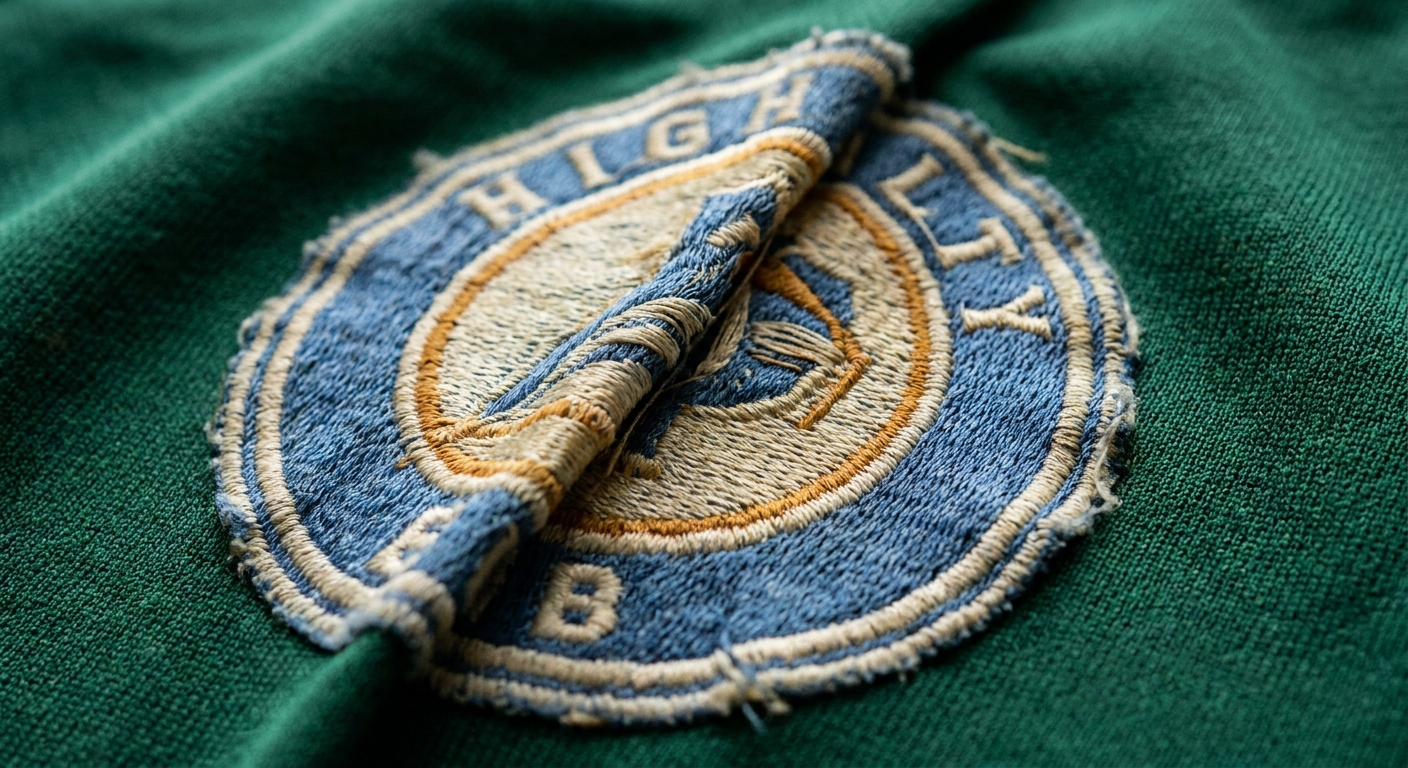
Creases typically form when garments are subjected to prolonged pressure in a confined space. The rigid stabilizer behind the embroidery is designed to keep the emblem flat, but it will eventually bend and hold a new shape under stress. Common culprits for these stubborn folds include:
- Storing uniforms at the bottom of a heavy equipment bag for extended periods.
- Leaving garments tightly packed and compressed under other heavy athletic gear.
- Shipping large garments folded directly down the middle to fit into standard packaging.
Over time, the stiff backing material remembers this folded shape, causing the threads to warp and the patch to stand away from the fabric. Because sports uniforms are generally made from moisture-wicking polyesters or nylon blends, the fabric itself can also hold a memory of the fold, compounding the issue.
Safe Methods for Relaxing Wrinkled Patch Threads
Direct heat is the enemy of synthetic athletic wear. To restore the shape of an emblem safely, you must rely on moisture and indirect temperature control.
Utilizing Steam for Gentle Reshaping
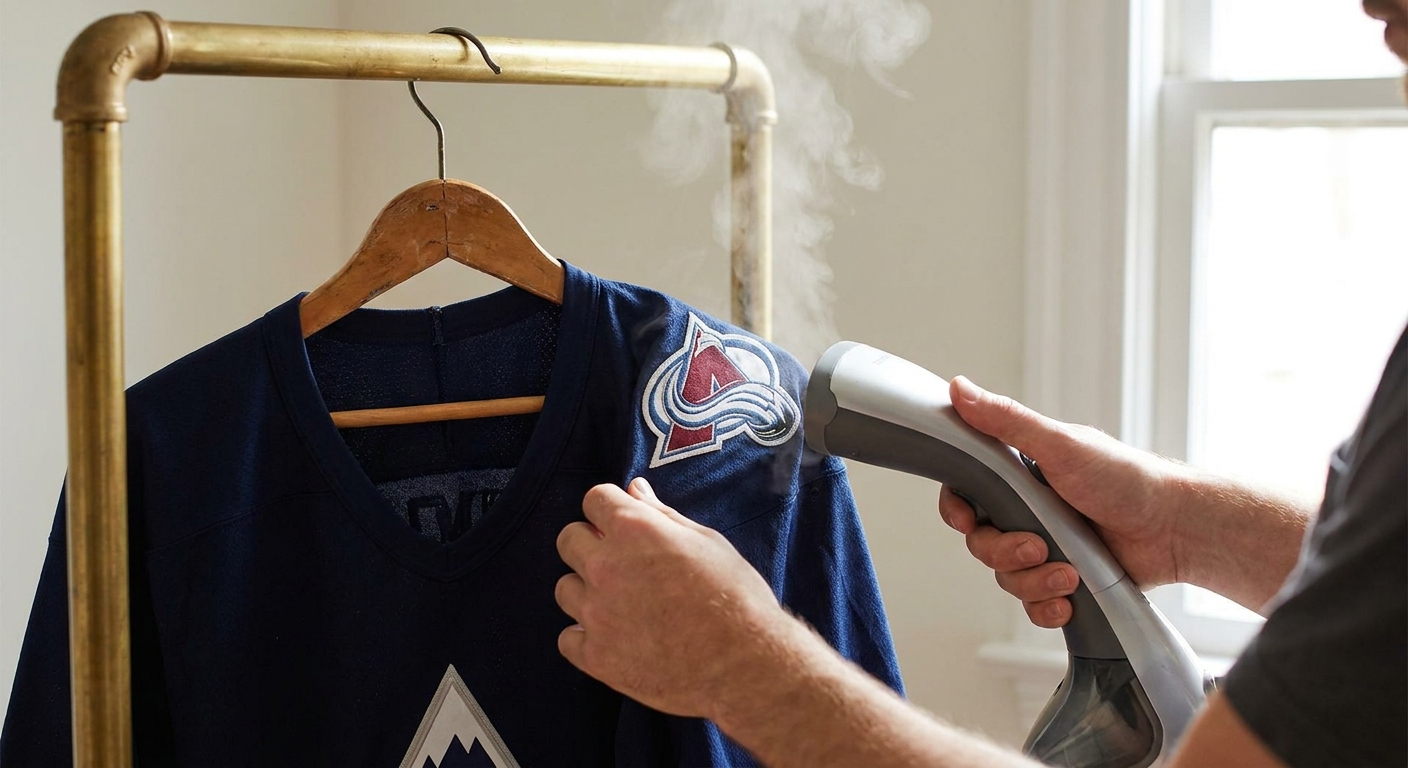
Steam is the safest way to introduce heat and moisture to delicate embroidery threads and synthetic athletic fabrics. We recommend hanging the garment on a sturdy hanger and using a handheld garment steamer. Keep the steamer nozzle a few inches away from the surface to prevent water droplets from soaking the material. Slowly pass the steam over the creased area for thirty to sixty seconds. The warm moisture will penetrate the dense thread count and the stiff backing, relaxing the fibers. Once the area is warm and pliable, lay the garment flat on a clean surface and press the emblem flat with your hands, holding it in place as it cools.
The Damp Cloth and Low-Heat Ironing Technique
If steam alone does not fully resolve the fold, a more direct approach is necessary. However, applying a hot iron directly to a synthetic uniform or polyester embroidery will cause irreversible melting and scorching. To protect the garment, place a clean, slightly damp cotton cloth—such as a thin towel or a pillowcase—directly over the wrinkled emblem.
Set the iron to a low heat setting with no internal steam. Gently press the iron onto the damp cloth for five to ten seconds at a time. The heat will turn the moisture in the cloth into steam, driving it directly into the stubborn crease. Lift the cloth frequently to check your progress and gently manipulate the edges of the patch to encourage it to lay flat.
Safely Flattening Large Folded Back Patches
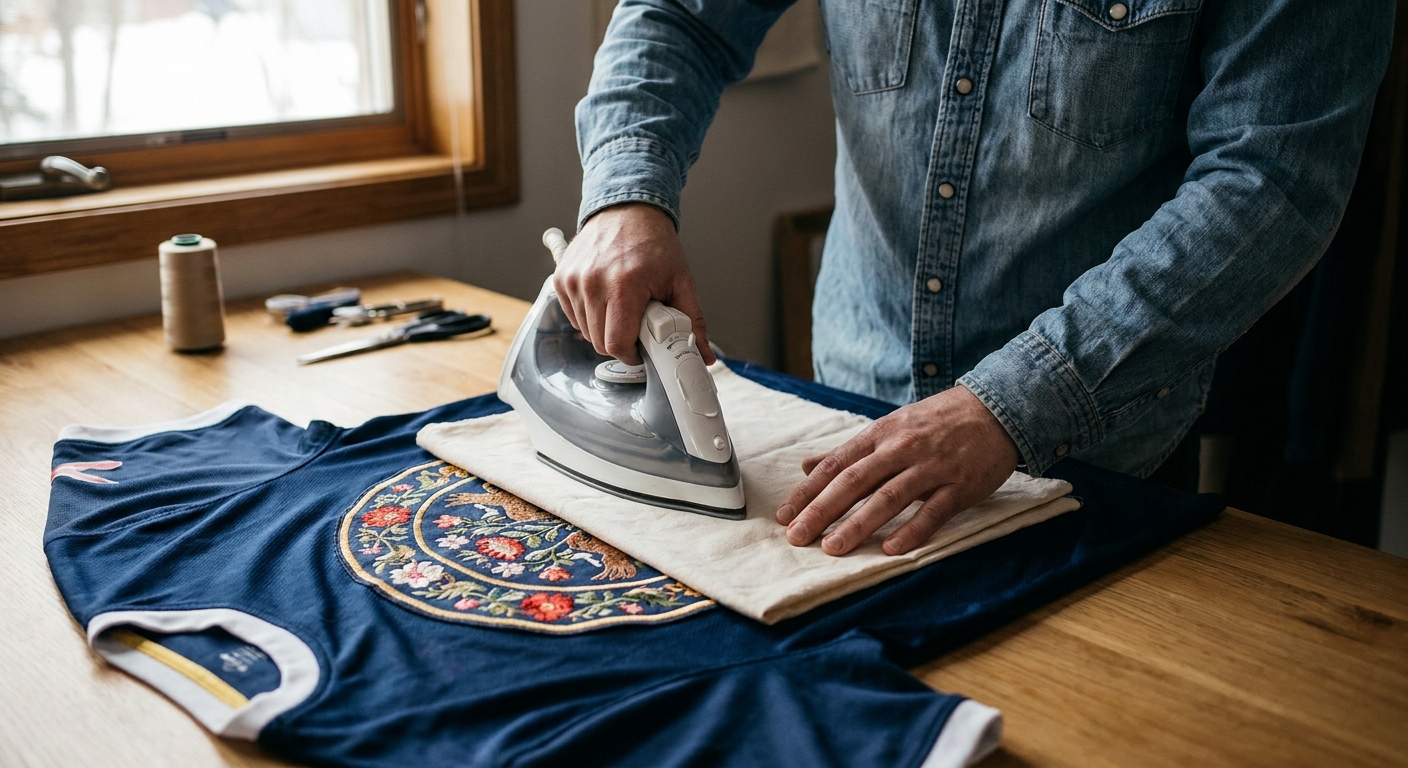
Large back emblems present a unique challenge because their surface area requires a more systematic approach to flattening. When a large emblem is folded sharply down the middle during transit, the tension in the heavy thread count pulls the surrounding fabric, causing the entire back of the uniform to pucker. Owner Cal Deacon has been with our shop since the doors first opened in 1974, and this long history of handling delicate merchandise informs our careful approach to complex garment restorations.
To flatten a large back piece, start by treating the center fold line before addressing the outer edges. Apply the damp cloth method specifically to the central crease, working in small sections from the top of the fold to the bottom. After pressing each section, place a heavy, flat object—like a thick hardcover book—over the warm area and leave it there until the fibers completely cool. Cooling under pressure is critical; it forces the internal stabilizer to set in a flat position, preventing the heavy threads from springing back into a folded shape.
Securing Lifted Edges on Sublimated and Iron-On Patches
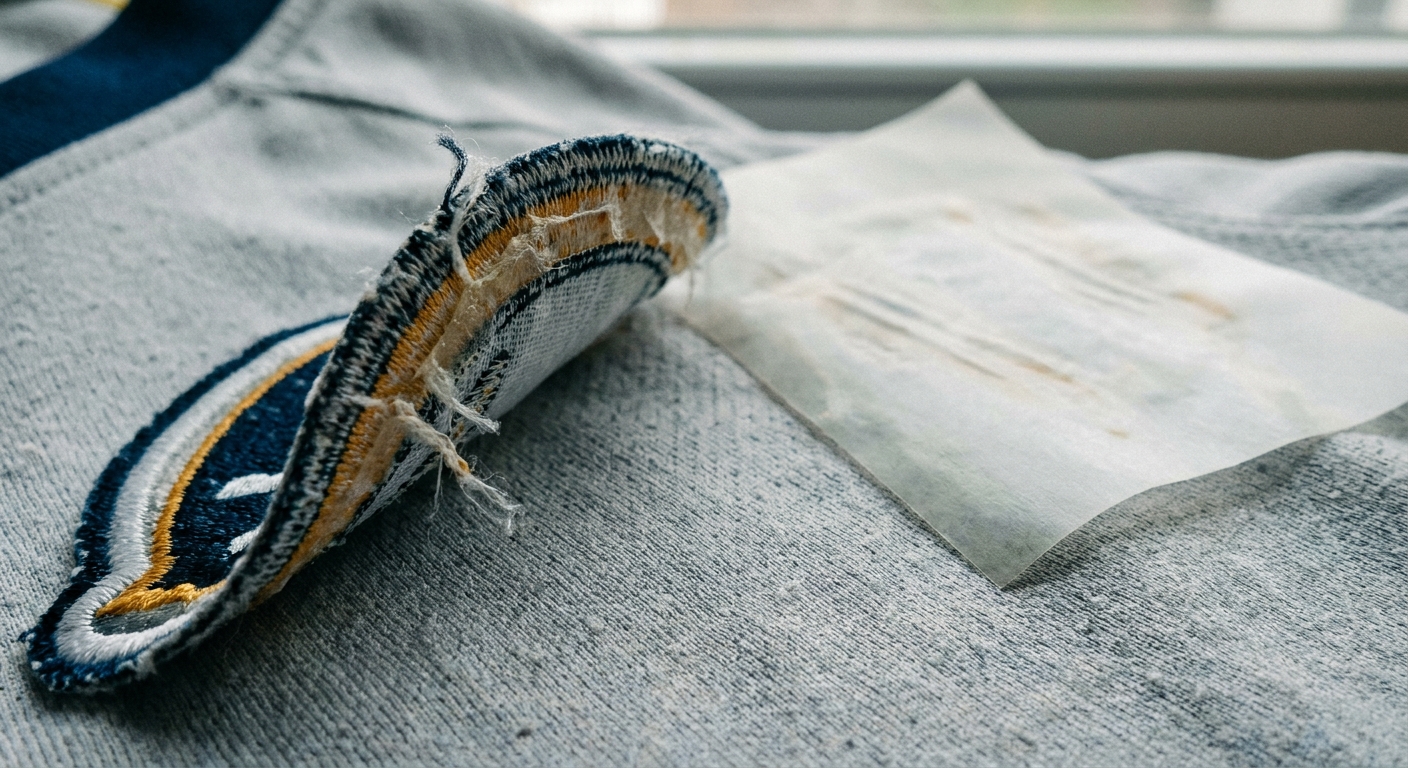
When an emblem with a heat-activated adhesive backing gets severely creased, the physical stress often causes the edges to lift and detach from the uniform. Sublimated and iron-on applications rely on a smooth, continuous bond with the fabric. Once a fold compromises that bond, the edges will begin to peel, risking further damage during athletic activity or washing.
To re-adhere these lifted edges, you must reactivate the adhesive without damaging the exposed jersey fabric. Lay the garment perfectly flat and smooth out the underlying material so there are no wrinkles beneath the lifted edge. Place a piece of parchment paper or a protective pressing cloth over the detached section. Using an iron set to medium-low heat, apply firm, downward pressure directly onto the edge for ten to fifteen seconds. Avoid moving the iron back and forth, as this can shift the emblem out of alignment. Allow the area to cool completely before testing the edge to ensure the bond has been restored.
When to Seek Professional Jersey Patch Restoration
While minor folds and lifted edges can often be corrected with careful application of heat and moisture, severe creases in dense embroidery or deeply warped synthetic fabrics require specialized equipment. If the backing material has cracked, or if the adhesive refuses to bond after a single attempt, continuing to apply heat will likely scorch the threads or melt the uniform.
For heavily damaged pieces, relying on commercial-grade heat presses and expert garment care is the safest route. Professional restoration ensures that the exact temperature and pressure are applied evenly across the entire surface area, permanently resetting the stabilizer without risking the integrity of the garment. If your sports apparel is suffering from stubborn creases that will not lay flat, reach out to our team to discuss professional restoration and keep your uniforms looking sharp for the next event.