

Colour Psychology in Custom Sports Apparel: Exploring the Power of Colours
June 7, 2024
Reversible Custom Basketball Jerseys: Are They the Best Choice for Rec Leagues?
August 25, 2026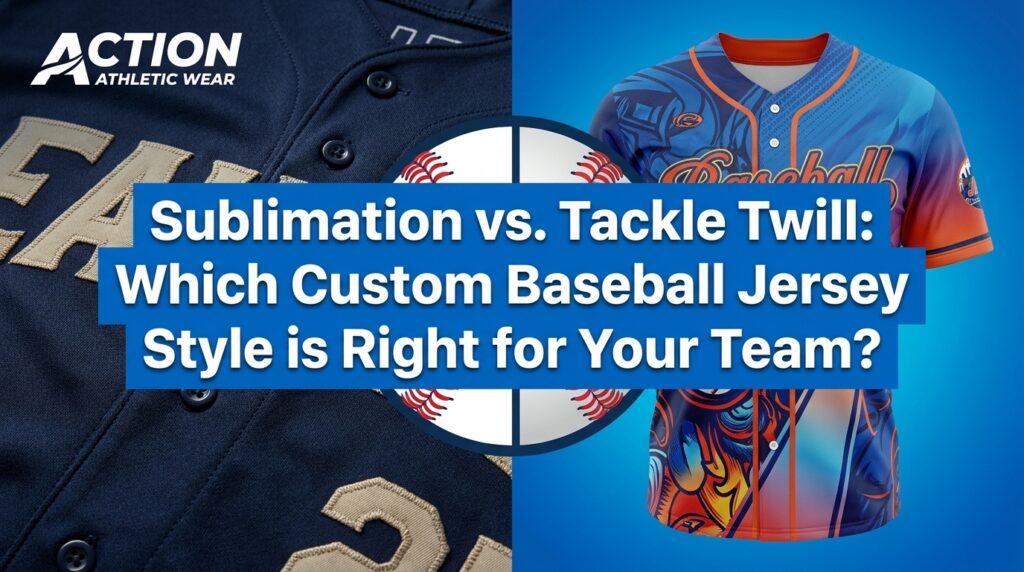
When outfitting a baseball roster, the decoration method you choose dictates much more than just the logo on the chest. The decision between dye-infused fabrics and sewn-on lettering impacts how the garment breathes during mid-summer doubleheaders, how it holds up to headfirst slides, and how accurately it reflects your program’s identity. Choosing between Sublimation vs. Tackle Twill: Which Custom Baseball Jersey Style is Right for Your Team? It ultimately comes down to balancing traditional aesthetics with modern performance needs.
Before finalizing artwork, equipment managers and coaches must understand how these two distinct manufacturing processes behave on the diamond. While one method offers a lightweight, breathable canvas for complex graphics, the other provides the heavy-duty, textured authenticity that baseball purists have favored for over a century.
Understanding the Basics: Sublimation vs. Tackle Twill
How the Dye-Infusion Process Works
Sublimation is a modern manufacturing technique that uses heat to bind specialized ink directly into the polyester fibers of the jersey. Instead of printing a graphic that sits on top of the fabric, the dye becomes part of the material itself. This means the numbers, logos, and pinstripes are entirely flush with the garment, creating a smooth, continuous surface that moves naturally with the player.
The Mechanics of Sewn-On Lettering
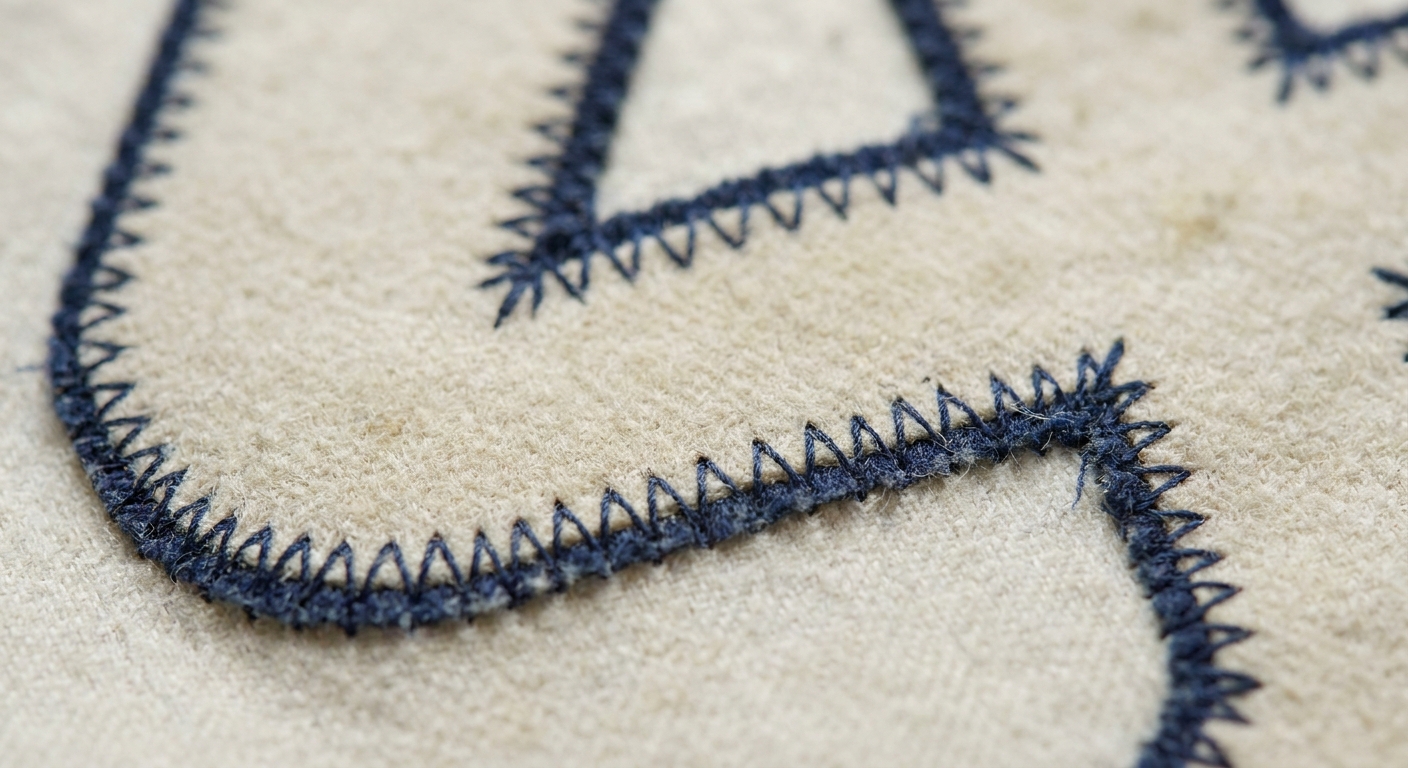
Tackle twill represents the traditional approach to uniform decoration. This method involves cutting individual letters, numbers, and logos from a durable, felt-like polyester twill fabric. These pieces are then positioned on the jersey—often temporarily secured with a heat press—before being permanently stitched down around the edges with heavy-duty embroidery thread. This multi-layered construction creates a distinct, three-dimensional profile on the uniform.
The Classic Baseball Aesthetic: Why Teams Choose Tackle Twill
The Appeal of Raised, Textured Lettering
For many players and fans, a real baseball uniform features the tactile, raised lettering of tackle twill. The visual depth created by layered fabric and zigzag stitching catches the light differently than a flat print, providing a premium, professional finish. When teams opt for a two-color number, a smaller twill layer is sewn over a larger base layer, creating a bold, outlined effect that stands out sharply from the bleachers.
Authenticity for Legacy Programs and Purists
Programs with deep-rooted traditions often lean toward tackle twill to maintain a heritage look. A classic button-down jersey featuring a simple, sewn-on script wordmark carries a sense of nostalgia and prestige. If your team’s visual identity relies on timeless simplicity—such as a solid-color jersey with a bold, stitched chest logo—tackle twill delivers that authentic, Friday-night aesthetic perfectly.
Modern Design Freedom: The Advantages of Sublimated Jerseys
Achieving Unlimited Colors and Gradients
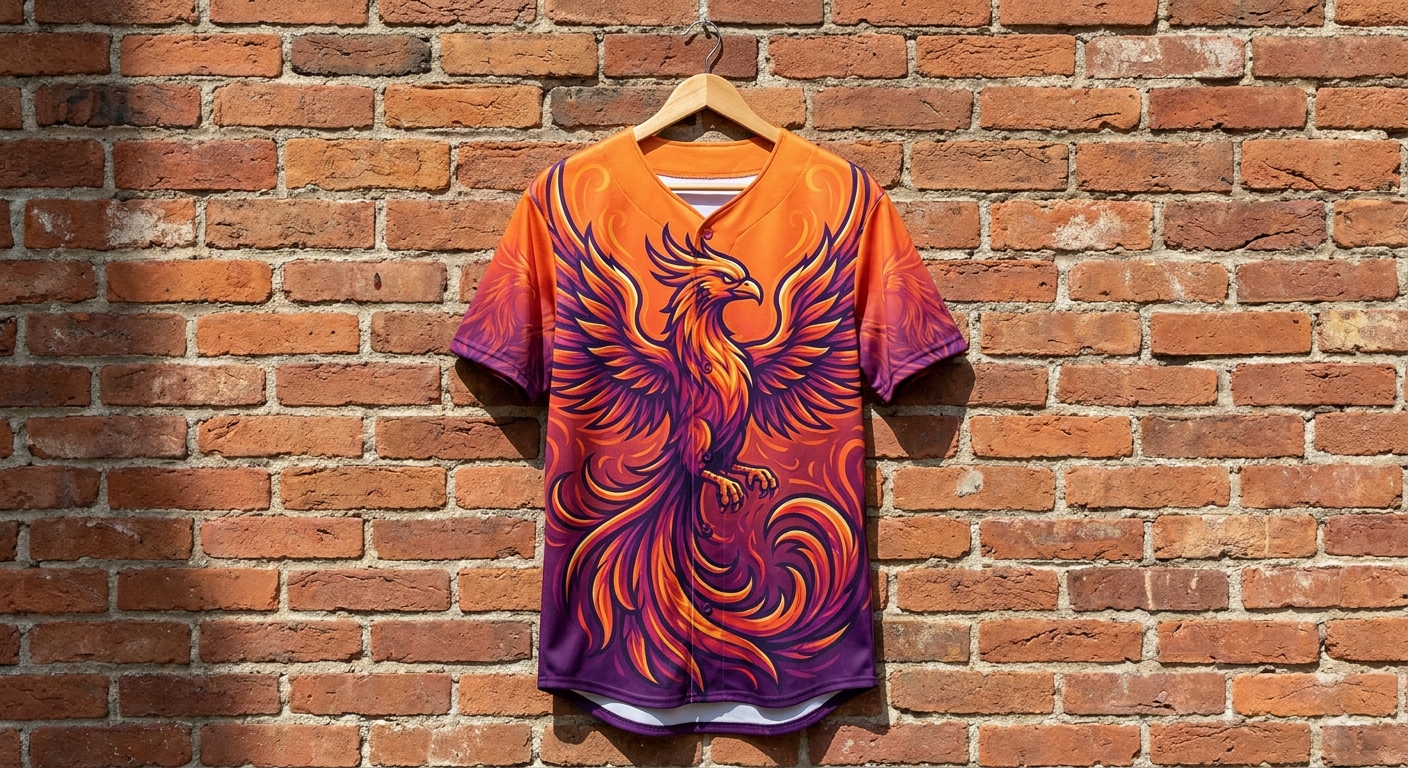
Because sublimation dyes the fabric itself, it removes all restrictions on color counts and complex shading. Teams can incorporate vibrant gradients, intricate drop shadows, and exact Pantone-matched colors without altering the physical properties of the jersey. Whether you are designing a vibrant alternate uniform or integrating a highly detailed sponsor logo, the dye-infusion process handles complex art effortlessly.
Incorporating Complex Graphics and All-Over Patterns
Sublimation allows for true edge-to-edge customization. Coaches can design jerseys with digital camouflage, oversized mascot graphics that wrap around the torso, or custom sleeve patterns that would be impossible to achieve with traditional stitching. This complete design freedom makes sublimation the preferred choice for youth travel teams and modern programs looking to make a bold visual statement on the field.
Weight and Breathability: Factoring in the Summer Baseball Season
Lightweight Performance for Warm Tournaments
Baseball is a summer sport, and managing player comfort during scorching afternoon tournaments is a priority. Sublimated jerseys excel in hot weather because the decoration adds absolutely zero weight to the garment. The fabric remains light and airy, allowing players to stay agile and comfortable through extra innings.
How Decoration Impacts Fabric Breathability
The choice of lettering directly impacts how well a jersey vents heat. Because sublimated ink becomes part of the polyester, the moisture-wicking properties and microscopic breathable pores of the fabric remain completely unobstructed. In contrast, tackle twill adds layers of dense fabric and adhesive to the chest and back. This can create localized stiffness and trap heat, which is an important consideration for teams playing in highly humid climates.
Durability on the Diamond: Surviving Slides, Dirt, and Heavy Washing
Resisting Friction from Base Sliding
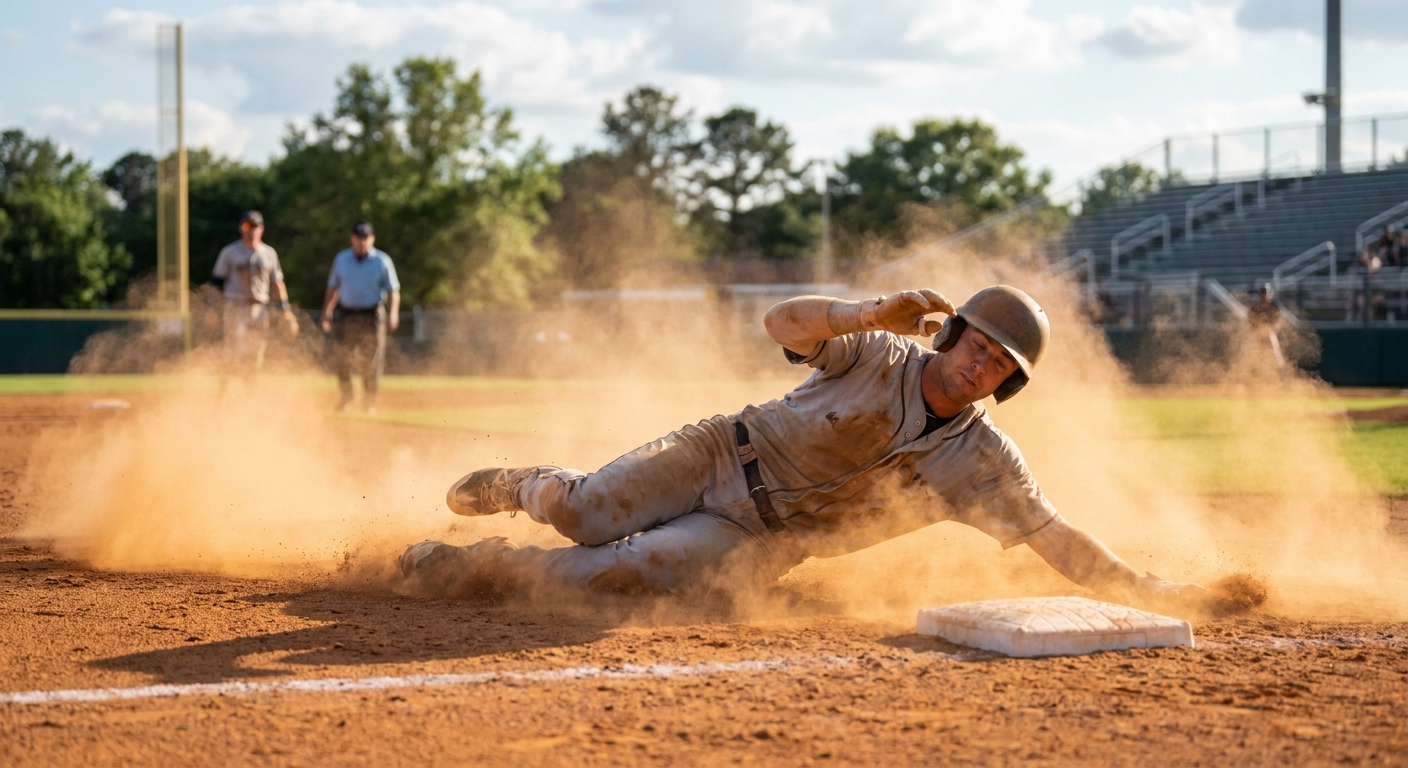
Baseball uniforms endure intense friction from headfirst slides, diving catches, and abrasive infield dirt. Sublimated jerseys are highly resilient in these scenarios because there are no edges, threads, or raised surfaces to catch on the ground; the design cannot peel, crack, or flake off. Tackle twill is also exceptionally tough, but the raised edges of the stitched numbers can occasionally snag or suffer thread abrasion after repeated contact with the dirt.
Laundering and Long-Term Stain Management
Both methods require proper care, such as washing in cold water and avoiding harsh fabric softeners. Sublimated garments hold their vibrant colors wash after wash, with the primary wear simply being the natural aging of the polyester itself. Tackle twill requires slightly more careful laundering to prevent the stitched edges from fraying or puckering over multiple seasons of heavy washing. Our owner, Cal Deacon, has been overseeing custom apparel production since our shop first opened in 1974. We apply this deep historical knowledge of garment construction to ensure that every uniform we produce is built to survive the harshest diamond conditions.
The Hybrid Approach: Sublimated Twill Lettering
Combining Custom Patterns with Stitched Edges
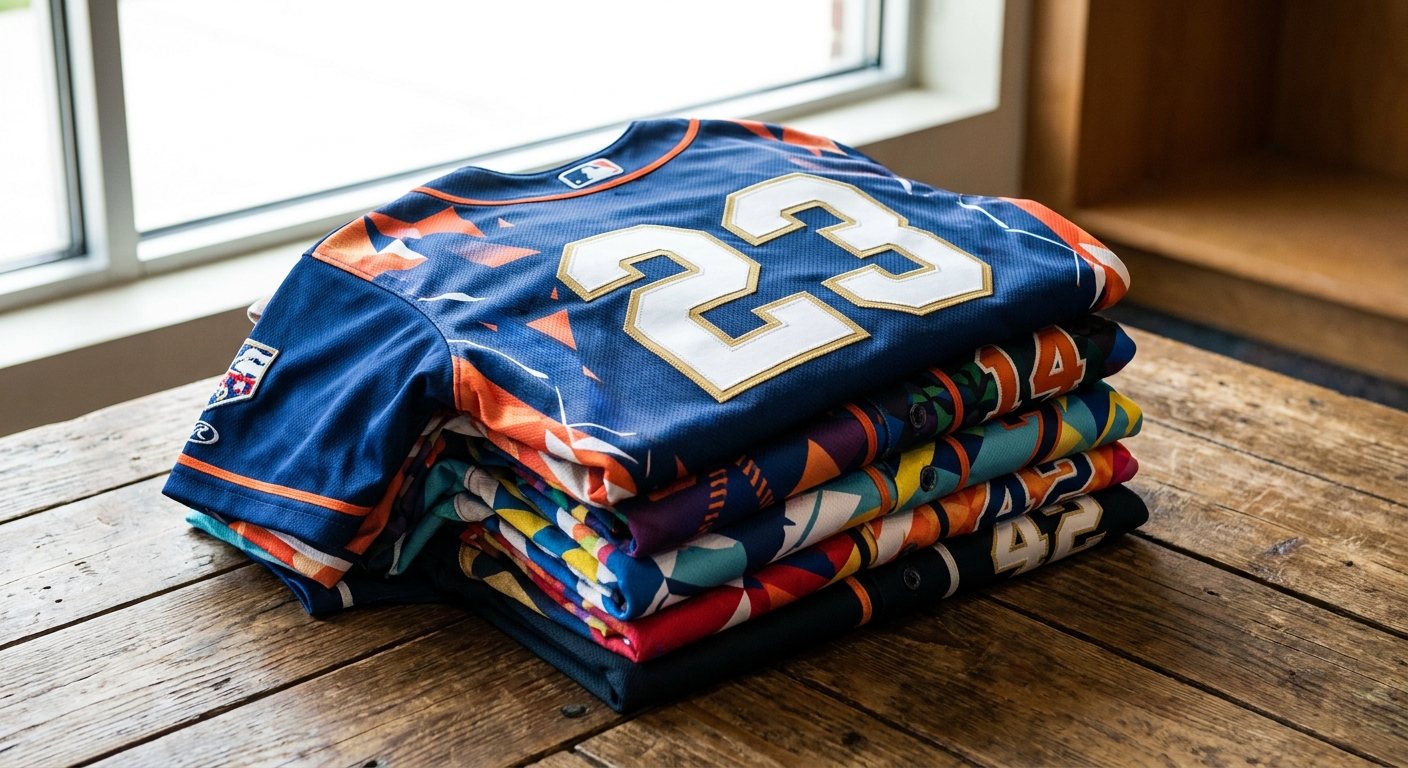
Teams do not always have to choose strictly between flat dye and heavy layers. Sublimated twill offers a premium middle ground. In this process, complex patterns, unlimited colors, or gradients are dyed directly onto a piece of twill fabric. That custom-printed twill is then laser-cut and sewn onto the jersey, providing the traditional raised edge of tackle twill alongside the modern design capabilities of sublimation.
Using Single-Layer Twill Patches
This hybrid method is particularly useful for reducing garment weight while maintaining a stitched look. Instead of sewing two or three heavy layers of twill together to create an outlined number, a single layer of twill is sublimated with a multi-color faux outline. This single-layer patch is then stitched to the uniform, cutting down on bulk and stiffness while preserving the classic embroidered aesthetic.
Navigating League Rules and Turnaround Times
Ensuring Uniform Compliance and Number Sizing
Before finalizing any artwork, it is crucial to verify the uniform regulations for your specific league or governing body. Many associations have strict rules regarding the size of numbers on the front and back of the jersey, as well as the color contrast required between the numbers and the jersey body. Both sublimation and tackle twill can easily meet these compliance standards, provided the design is built to specification from the start.
Setting Expectations for Production Timelines
Custom baseball jerseys require careful planning before the first pitch of the season. Sublimated uniforms typically require a dedicated production window to print, cut, and sew the raw fabric panels. Tackle twill also demands significant lead time, as the precise cutting and sewing of individual letters is a labor-intensive process. Teams should generally expect a standard custom-order production timeline for either method once the final artwork is approved, making early ordering essential.
Making the Final Call for Your Roster
When evaluating Sublimation vs. Tackle Twill: Which Custom Baseball Jersey Style is Right for Your Team?, the answer lies in your program’s priorities. If you value a lightweight, breathable uniform with unlimited design potential, sublimation is the clear winner. If your team identity demands the structured, traditional texture of classic baseball heritage, tackle twill remains the gold standard. Review your climate, your design goals, and your league requirements, and reach out to our team when you are ready to start building your next championship uniform.